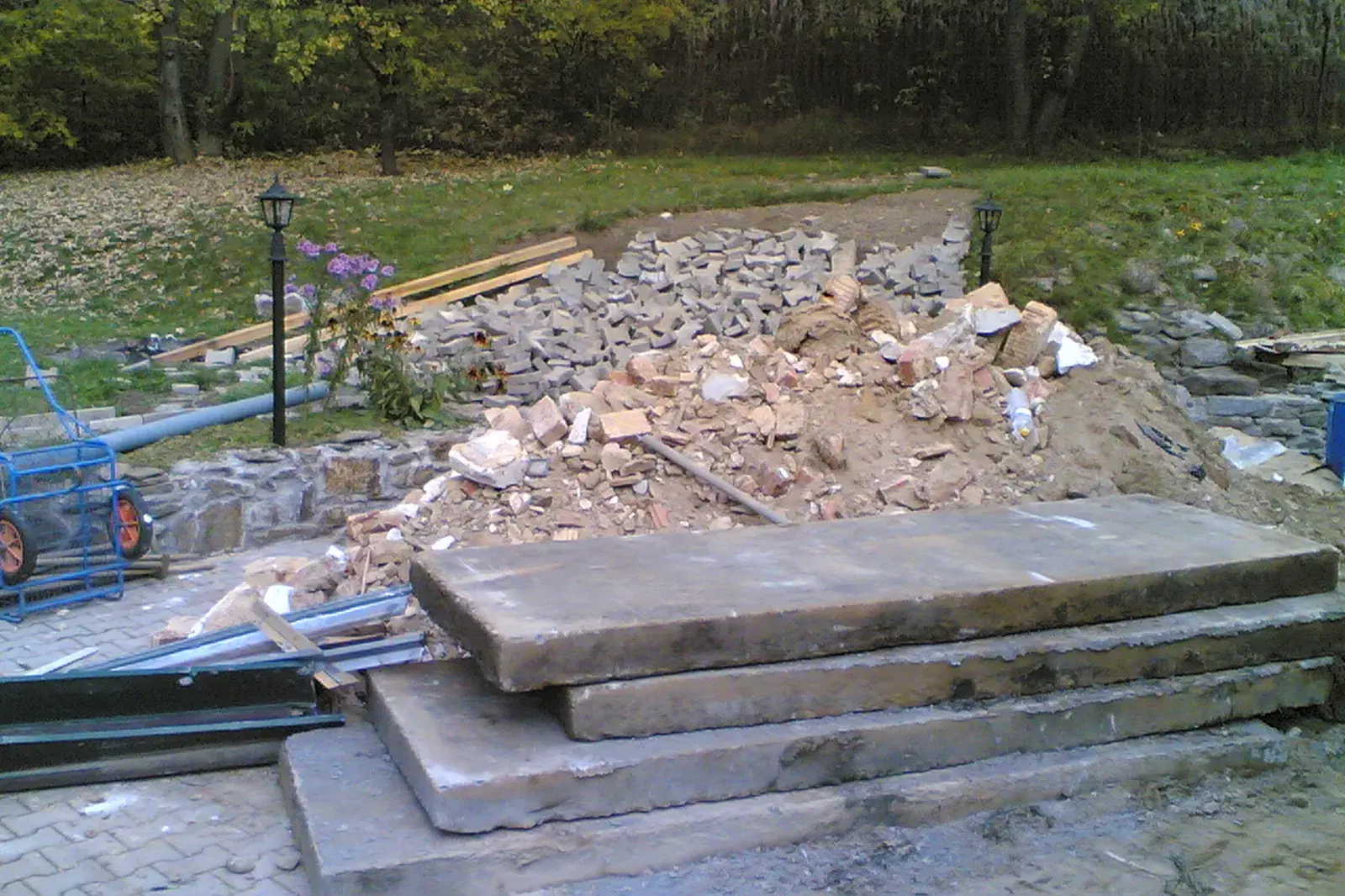
Light Demolition in Chicopee, MA
We connect you with independent Chicopee junk haulers. We are not a hauler.
We connect you with independent Chicopee junk haulers. We are not a hauler.
Light demolition covers the jobs that sit between hauling and construction. A kitchen stripped to the studs. A wall of built in cabinets. A backyard structure. Old flooring pulled up across a whole floor.
The word light is doing real work in that phrase. It means no structural framing, no roof, no exterior wall, and nothing supporting a floor above. Once any of those are involved it is a licensed contractor with engineering behind them, and any hauler saying otherwise is somebody to walk away from.
Price runs $500 to $2,500 for most of it, and it climbs with volume and with how much has to come out by hand. Interior tear out is fast. Anything involving plaster, tile or concrete is heavy and slow.
Plaster is the Chicopee variable
Housing here largely predates drywall. Plaster over wood lath is what is behind the walls in most pre 1940 homes in this city, and taking it out is a different job from pulling sheets of gypsum. It is far heavier, it produces enormous dust, and the lath underneath has to come off separately. Say the age of the house on the first call, because that word changes the estimate.
Light Demolition Pricing in Chicopee
By Truck Space
Common Add Ons
What The Quote Covers
- Taking the structure or the interior apart
- Loading and hauling every material
- Splitting metal, wood and masonry as required
- Protecting floors and stairs on the route out
- Sweeping the space at the end
What Moves The Price
- How much there is and what it is made of
- Plaster and lath against drywall
- Tile, masonry or concrete, which are heavy
- The age of the house, for asbestos and lead
- Whether a permit or a licensed trade is needed first
Three things to settle before booking
A permit. Chicopee wants one for demolition past a certain scope, and interior work touching plumbing or electrical needs its own trades and its own inspections. This is a phone call to the building department, not a barrier, and it is far cheaper before the work than after.
Asbestos. Anything built before 1978, which is most of this city, may have it in floor tile, in the mastic under it, in pipe wrap, in the boiler jacket and occasionally in old joint compound. Massachusetts requires licensed abatement, and demolition that disturbs it without testing is a serious problem rather than a technicality.
Lead paint. Same age of housing, same reasoning. Massachusetts has strict rules about lead in homes, and sanding or breaking painted surfaces in a house of this vintage puts dust everywhere. It does not stop the work, it changes how the work is done.
Where all of it goes
Wood, metal, brick, concrete and clean gypsum wallboard are all shut out of Massachusetts disposal, the first four since 1 July 2006 and wallboard since 1 July 2011. So a demolition load separates by material at the gate. Metal to scrap, wood on a wood route, masonry to a concrete processor. That is the whole reason demolition debris costs more per truckload than household junk.
How Light Demolition Actually Goes
Call the building department
Scope, permit, and which trades have to be involved. One call answers all three.
Get it tested
Floor tile, mastic, pipe wrap and old joint compound. Testing is cheap. Guessing is not.
Describe the scope honestly
What is coming out, what it is made of, and the age of the building.
Torn out and loaded
Separated by material as it comes down, because it has to be at the gate.
Swept and ready
Space left clean for whoever is coming in to build.
What Can Delay It
- Suspected asbestos, which halts that part until it is tested
- A permit that was never pulled
- Plaster and lath where drywall was assumed
- Hitting plumbing or wiring nobody knew was there
What Speeds It Up
- Getting the permit sorted before booking
- Testing early if the building predates 1978
- Photos and the year the house was built, on the first call
Light Demolition Questions
What counts as light demolition?
−What does it cost?
+Why does plaster matter so much here?
+Do I need a permit?
+What about asbestos?
+And lead paint?
+Where does the debris go?
+Can you take down a load bearing wall?
+Other Jobs We Cover
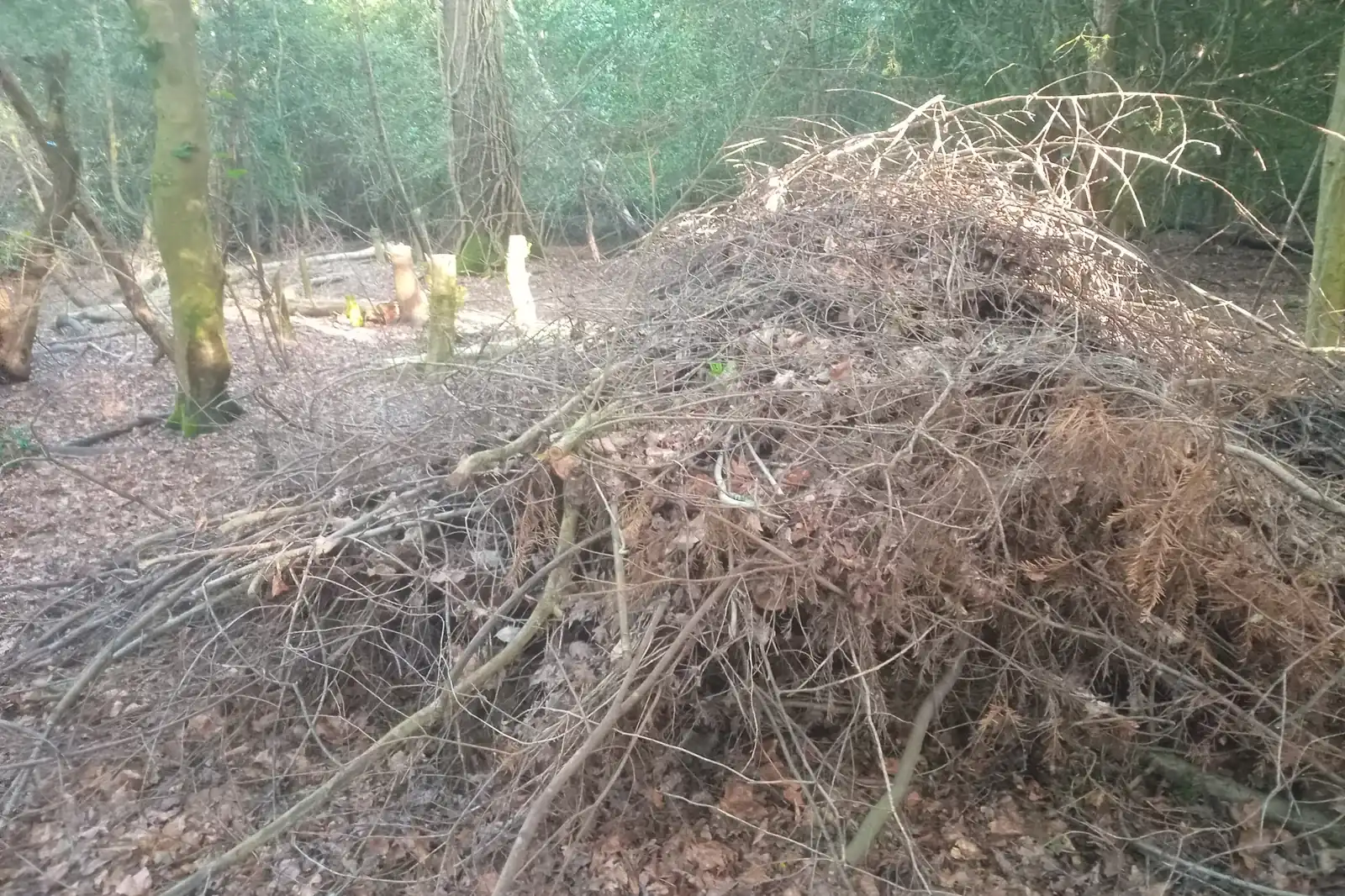
Yard Waste and Brush Removal
Brush, branches, leaves and clippings, hauled to a composting site rather than a landfill.
Learn More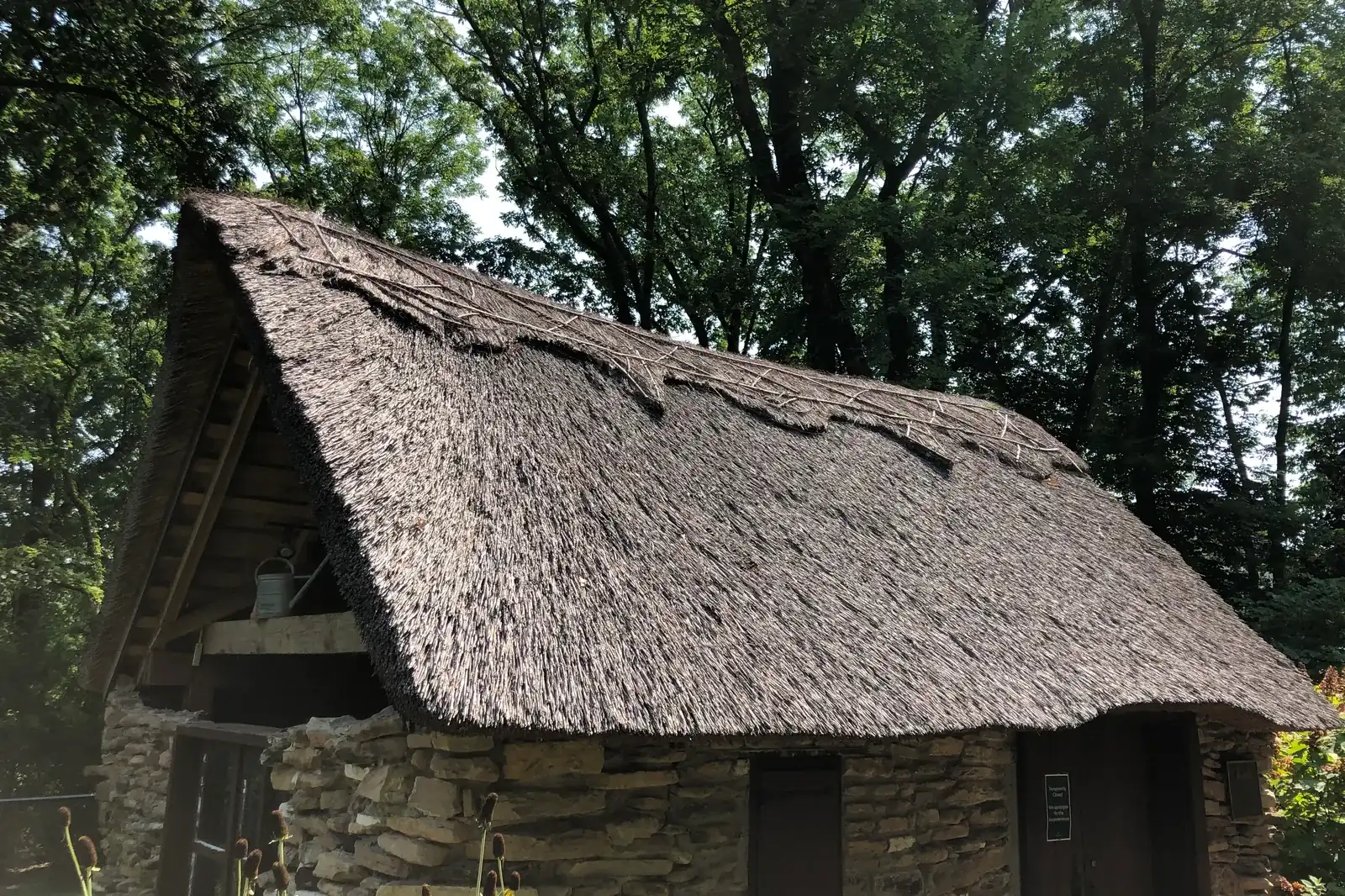
Shed Removal and Demolition
A backyard shed dismantled, hauled away, and the material split by type as the state requires.
Learn MoreDeck Removal
An old deck taken apart and hauled off, with the treated lumber routed where it has to go.
Learn MoreAbove Ground Pool Removal
An above ground pool drained, taken apart and hauled off, along with whatever is under it.
Learn MorePlayset and Swing Set Removal
A wooden or metal playset taken apart in the yard and carried out, footings included if you want them.
Learn MoreHot Tub Removal
A spa drained, cut apart and hauled off, usually from a deck it will not come off in one piece.
Learn More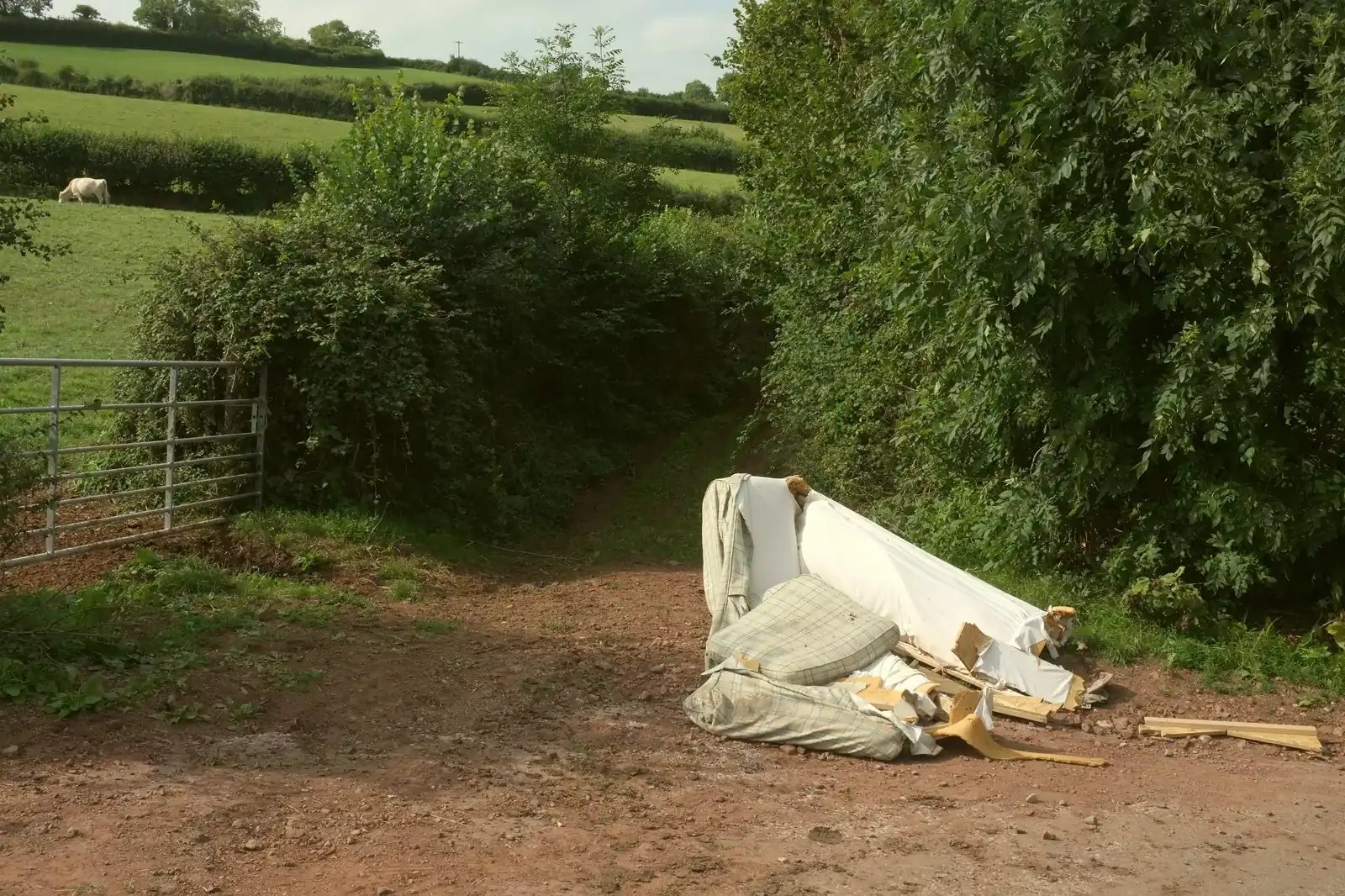
Furniture Removal
The sofa that went up easily and will not come down. Carried out of the room it sits in.
Learn More
Mattress and Box Spring Removal
Massachusetts closed the trash to mattresses in 2022. Here is what has to happen to yours instead.
Learn MoreLight Demolition Near You



Find out what your pile costs
Say what needs shifting and roughly where it sits. One hauler who works this city gets it, calls you back, and quotes it on sight. Nothing to sign and no fee for asking.
Call Now(413) 505-8565We connect you with independent Chicopee junk haulers. We are not a hauler.